

Best Lighted Makeup Mirrors for Teens
Our Top Picks
Affiliate disclosure: if you buy through these links, we may earn a commission at no extra cost to you.


Factors to Consider
1) Size, layout, and space fit
⚡ Quick Answer
For small desks or dresser tops, aim for mirrors around 16-20 inches wide with a slim profile so you don’t crowd the surface. If you have wall space, a 20-28 inch wall-mounted mirror can give a full reflection without stealing desk real estate. Remember to check the depth of the frame and any attached lighting, as that can add 1-2 inches to the footprint. Space-saving tip: consider a wall-mount or swing-arm design to keep the desk clear for brushes and skincare in the morning rush.
Table of Contents
2) Lighting quality, brightness, and color rendering
Choose lighting with a high color rendering index (CRI) of 90+ so makeup colors read accurately on your skin. A neutral color temperature in the 3500–4500K range mimics natural daylight, which is best for true shade matching, especially when choosing foundation or concealer. Dimmable brightness helps adapt from school-day routines to weekend self-care sessions. Space-saving tip: look for diffuse, wraparound LEDs rather than harsh direct strips to reduce glare on selfies.
3) Storage compatibility and surface organization
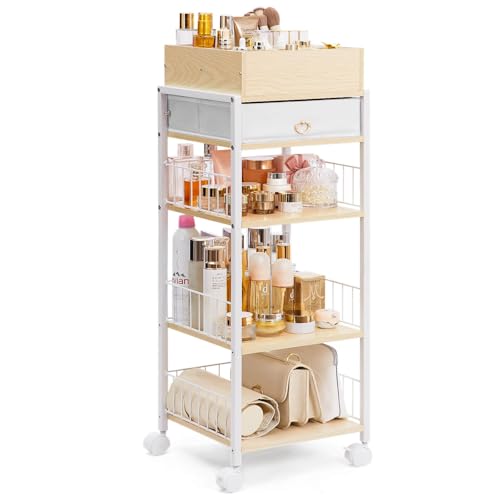
Even if the mirror has built-in compartments, plan to pair it with a slim acrylic tray, a small cosmetic organizer, or drawer inserts so you can keep brushes, hair ties, and makeup masks together. Width matters: a 16- to 20-inch mirror may leave little room for a standalone brush cup or lipstick stack, while a 24-inch model often accommodates several items. Space-saving tip: stack vertical storage near or under the vanity to free up surface space for daily routines.
4) Power options, durability, and daily usability
Most teen-friendly lighted mirrors are plug-in, with some offering USB-C charging pass-through or micro-USB power. Look for LEDs rated to around 50,000 hours of lifespan and a fade-free color over time, so the mirror stays reliable through countless school-year mornings. Touch controls with memory and a dimming ramp keep the same brightness every day. Space-saving tip: pick a model with a short, neatly wrapped cord and an internal cord management channel to minimize clutter.
5) Value, warranty, and longevity
Compare price per inch of reflective surface and consider whether built-in storage adds real value for your teen. A longer warranty (1–2 years or more) protects a high-use vanity in a kid’s room and can save future replacement costs. Also check return policies in case the size or brightness isn’t a good fit after a few school mornings. Space-saving tip: choose a model that offers multi-use features (like hanging jewelry hooks or a small tray) to maximize value in a single purchase.
Frequently Asked Questions
What size should I buy for a small teen desk vanity?
For compact desks, 16-20 inches wide mirrors fit best without crowding the surface. If you can mount on the wall, 20-28 inches provides a better reflection while keeping the desk clear for cosmetics. In real use, many families find an 18x24 inch layout balances visibility with space for daily products.
Is LED lighting better for makeup than fluorescent lighting?
Yes. Research and industry standards favor LEDs for makeup tasks because they offer consistent brightness, less heat, and a high CRI (90+ is common), which helps shade matching. Diffused LED panels also reduce hot spots and glare compared with traditional bulbs.
Should I get magnification on my mirror?
Most teens do fine with a 2x-3x magnification for eyelid work and brows; higher magnifications (like 5x) can distort the overall view and are harder to use for a full-face routine. Use magnification sparingly for detail work and rely on the full-face view for daily makeup checks.
What is CRI and why does it matter?
CRI, or color rendering index, measures how true colors appear under the light. For makeup, a CRI of 90+ is ideal because it helps foundations, blushes, and lip colors look like they do in daylight. It’s a common feature in quality vanity lighting, not just decorative LEDs.
Plug-in vs battery-powered vs USB-powered mirrors—what’s best?
Plug-in mirrors provide steady brightness and are typically the most reliable for daily routines. Battery-powered options offer portability but can dim as batteries drain. USB-powered designs are convenient if you have a nearby port, but ensure the power needs are compatible with school routines and dorm-style outlets.
How important is color temperature (Kelvin) for makeup?
Color temperatures around 3500-4500K provide daylight-like lighting that most closely matches natural shade rendering. Warmer temperatures (2700-3000K) can skew tones toward orange, while very cool temps can make makeup look ashier. For a teen routine, neutral daylight in the mid-range usually works best.
Are built-in storage features worth it?
Built-in organizers can help with morning chaos if they’re well-designed, but they’re not a necessity. If the storage feels cramped, pair the mirror with a slim acrylic organizer or a small drawer insert to avoid clutter. In practice, many teens keep the storage modular so they can swap items as they grow into new routines.


